

EO - The fading dawn
L’aube fuyante — 消えゆく夜明け
Que se cache-t-il derrière une période charnière et cruciale ?
L’époque Azuchi–Momoyama (1573–1603) constitue une période charnière de l’histoire japonaise.
Elle marque la transition entre les guerres féodales du Sengoku Jidai et la paix du shogunat Tokugawa, qui ouvrira l’ère d’Edo.
C’est un moment de réunification politique mené par Oda Nobunaga, Toyotomi Hideyoshi puis Tokugawa Ieyasu, mais aussi une période de profondes transformations culturelles :
l’architecture des châteaux devient monumentale, la peinture se colore d’or et de symboles, la cérémonie du thé et les arts raffinés se développent comme reflets du pouvoir.
Cette ère, brève mais intense, annonce à la fois la fin d’un monde instable et le commencement d’un ordre nouveau.
Un crépuscule lumineux où la guerre, la foi et la beauté coexistent.
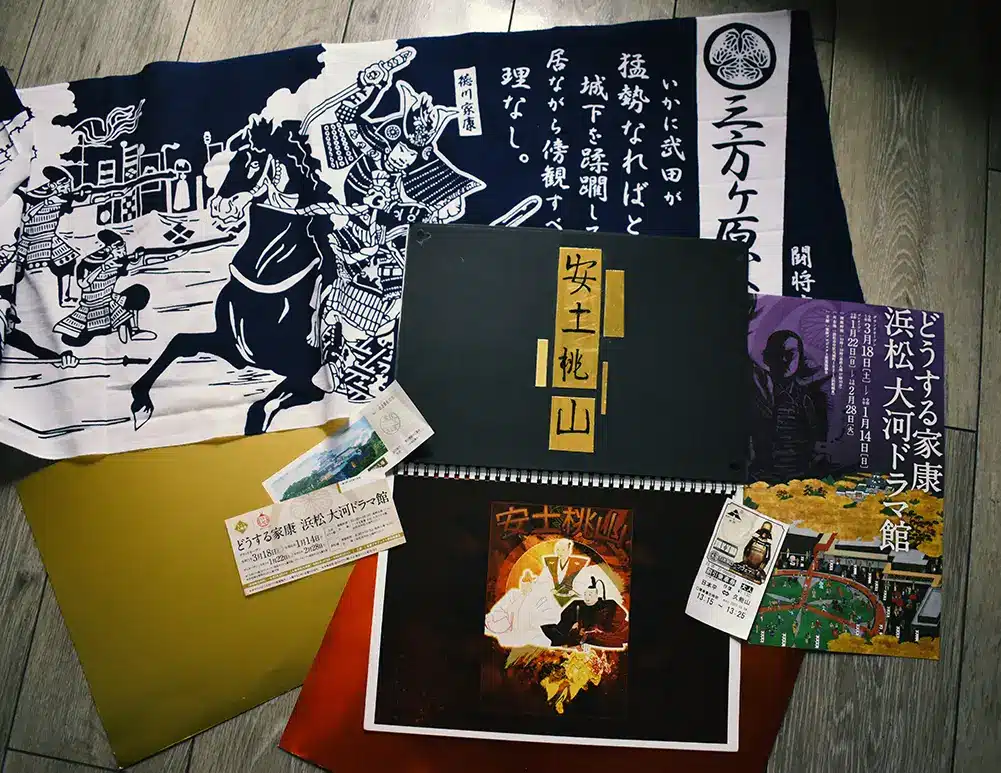
🔹 En cours ⟶ Rassembler des informations sur la période “azushi momoyama” et les mettre en forme dans une sorte “d’art book”. Explorer différentes formes d’expression afin d’interpréter au mieux des faits historiques.
I.-本能寺の変 Honnoji no hen
- ❸ 直前までの状況 Situtions before the incident ⟶ 光秀明智、羽柴秀吉、徳川家康(Akechi Mitsuhide, Hashiba Hideyoshi, Tokugawa Ieyasu)
- ❹ 討入の覚悟 Preparation the attack
- ❺ 光秀の策略変更 The modification of Mituhide’s strategy
- ❻ 信長の最後の夜 The last night of Nobunaga
- ❼ 本能寺の変 Honnoji no hen
- ❽ 本能寺の変の直後 After the incident⟶ 伊賀越え Iga crossing
II.-長篠の戦い The battle of Nagashino -
- ❷信長軍団の到着 Arrival of Nobunaga’s army
- ❸鳶ヶ巣山攻防戦 Attack on Mount Tobigasu
- ❹設楽原決戦 Battle of Shitara-hara
III.-関ケ原の戦い The battle of Sekigahara
- ❺東軍諸大名の反転 Reversal of the Eastern lords
- ❻ 西軍の伊勢侵攻と東軍の岐阜城攻め The invasion of Ise by the Western Army and the attack on Gifu Castle by the Eastern Army
- ❼ 決戦と抗争終結 Decisive battle and the end of the conflict
- 決戦開始 Start of decisive battle
- ❽ 島津軍・毛利軍側 Shimazu’s and Mori’s sides
- ➒小早川秀秋の寝返り The betrayal of Kobayakawa Hideaki
- ➓ 西軍戦敗 Defeat of the Western Army
- ⓫ 終戦後 After the battle